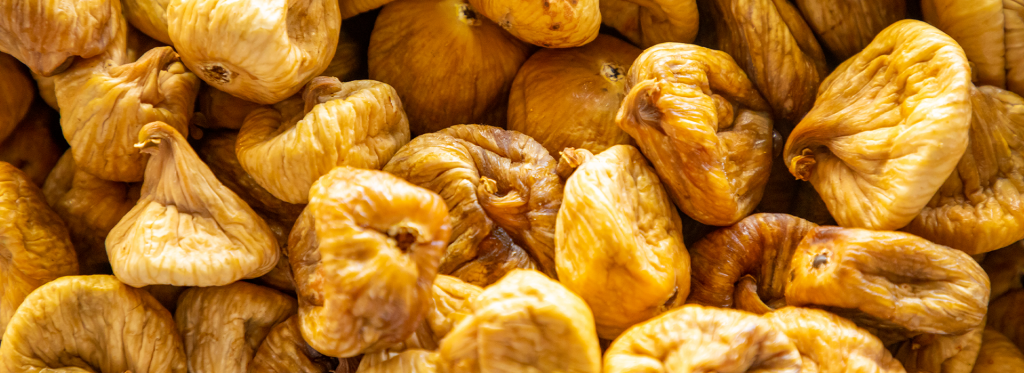
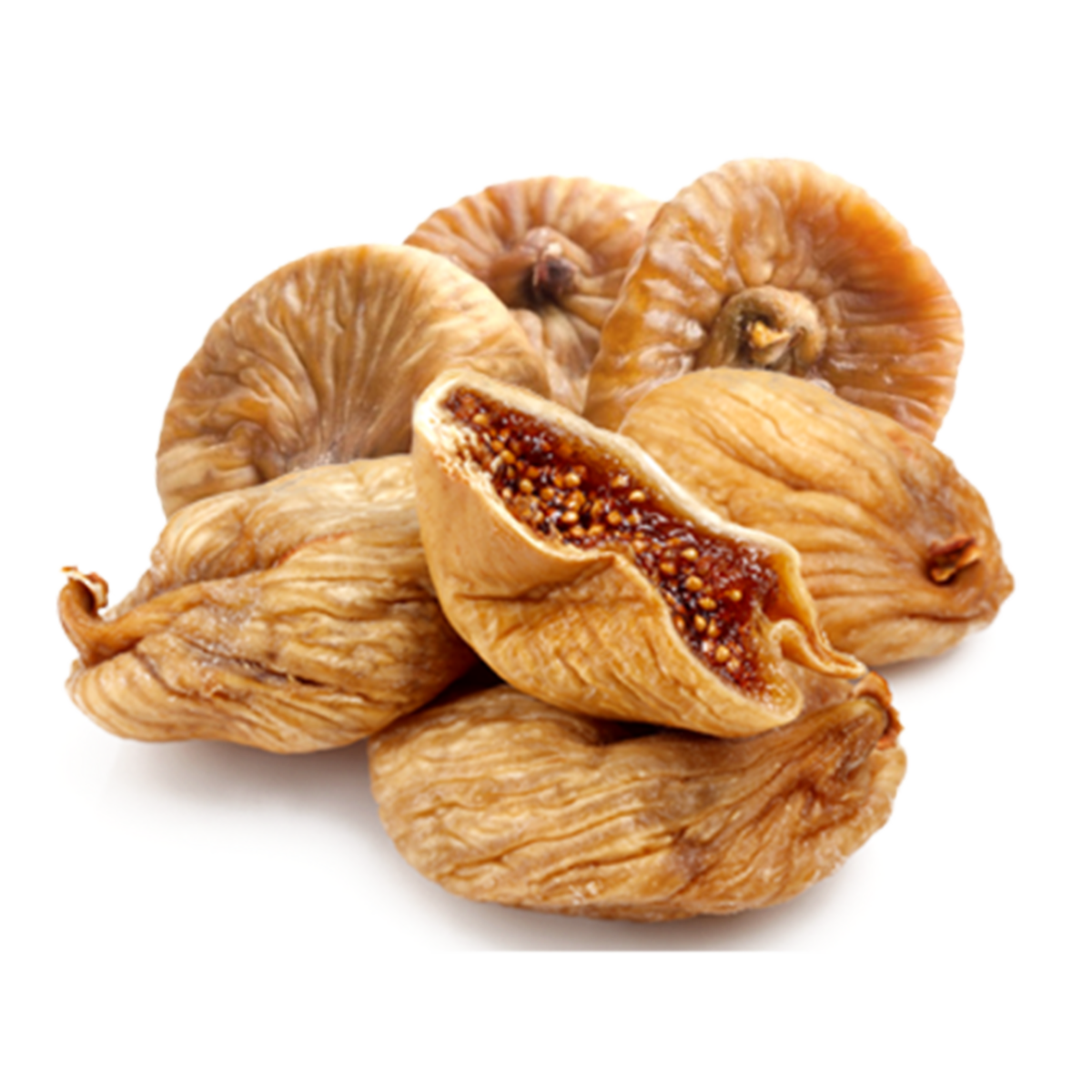
The history of the fig BC8. century goes back to ancient Egypt and the fig, which spread from Egypt to Greece, becomes one of the most important fruits in the region over time. The tree on which the fig is grown is the Ficus tree (Ficus carica), a member of the mulberry family.
Today, 60% of dried fig production is met by Turkey. It is stated that approximately 70-75% of this production is produced in Aydın province and the remaining 25-30% is produced in İzmir province.
Dry fig;
It is a delicious snack rich in nutritional value due to the phosphorus, calcium, iron, magnesium, B1 and B2 vitamins found in figs. Due to the high calcium it contains, it supports bone health, is good for cardiovascular health, skin and digestive ailments. At the same time, dried figs are a food source containing high fiber, so it is good for diabetic patients. Of course, it should be consumed in measured portions.
In 100 gr dried figs;
Energy 250 kcal
Carbs 63 g
Protein 3.3 g
Oil 1 g
Dietary Fiber 9.8 g
Sugar 47.92 g
Iron 2.03 mg
Calcium 162mg
Magnesium 68mg
Phosphorus 67mg
potassium 680mg
Vitamin C 1.2mg
Zinc 0.55 mg